
Flamenco is more than a musical genre; it is a profound cultural expression born in Andalusia. Many people picture a fiery dancer and a guitar, but the true essence of flamenco lies in a powerful trio: the voice, the guitar and the rhythm. If you want to truly appreciate a show, understanding what each instrument does is essential. This guide breaks down every element that makes the art form unique, from the flamenco guitar to the percussion of the dancer's own feet.
The essential instrument: the flamenco guitar
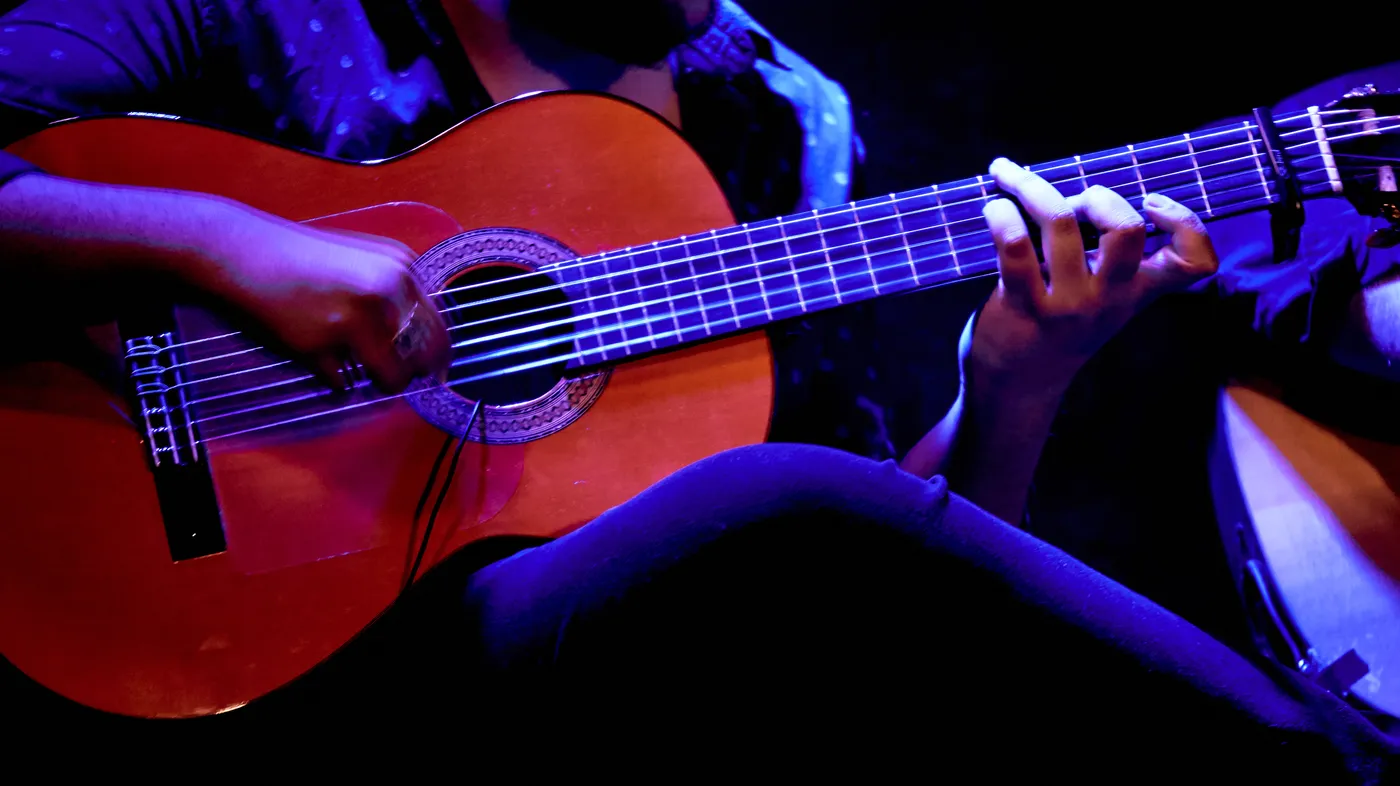
The guitar is the undisputed star, but a flamenco guitar is not just any classical guitar. It is built to cut through the sound of the dancer's footwork and the singer's voice, typically with lighter woods like cypress that give a brighter, sharper sound known as toque. Flamenco playing uses techniques you will not hear in a classical recital: the rasgueado, a furious strumming, and the golpe, a tap on the protective plate (the golpeador) that adds a percussive layer crucial to keeping the compás.
The true stars: the dancer's body and the voice
Ask what instruments are used in flamenco dancing and the answer is often standing on the stage. The dancer's body is a rhythmic machine. The zapateado, the sound of the shoe striking the floor, is a percussive force in its own right, a rhythmic dialogue with the guitar that turns the floor itself into an instrument. Some dancers add castañuelas, small hand-held wooden clappers, though these belong more to traditional Spanish danza than to a pure flamenco tablao. And then there is the voice, el cante, which many purists consider the most vital instrument of all: it carries the deep emotion and history of the art. The three pillars of flamenco are the guitar, the voice and the compás.
The heartbeat: cajón and palmas
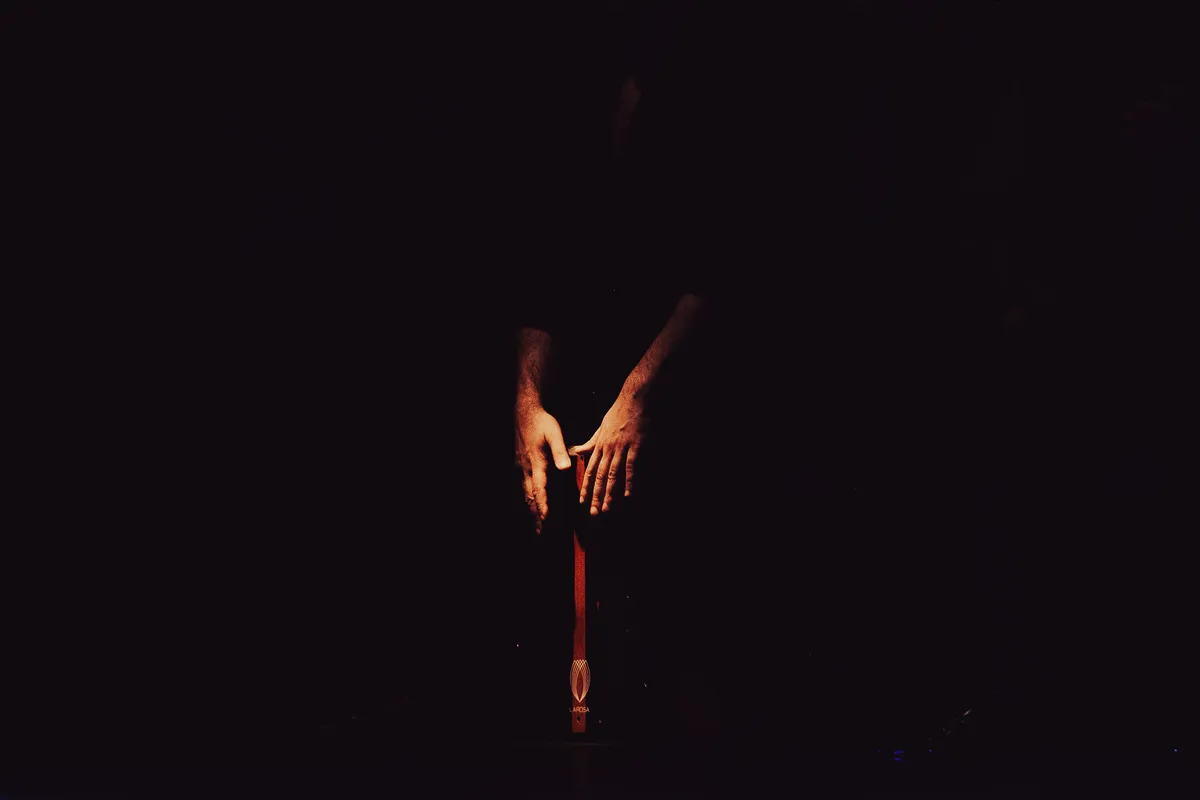
Rhythm is the soul of flamenco. While the guitar sets the melodic frame, the beat is held by the cajón, a box-shaped wooden instrument that originated in Peru and was adopted by Spanish flamenco masters in the 1970s. Its natural, versatile sound fits the intricate rhythms perfectly. Just as important are the palmas, the complex rhythmic hand-claps often performed by dedicated palmeros. They are the most organic flamenco instrument there is, present in every single performance.
Hear them live
Reading about the compás is one thing; feeling the zapateado through the floor of an intimate tablao is another. See our comparison of the four essential tablaos in Madrid and book direct, with no commissions.